
Server Consolidation Cuts Infrastructure Costs by 68% for London Retail Chain

68% reduction in hardware maintenance costs — from £42,000 to £13,440 per year. We delivered this outcome for London Retail Group (12 Stores) (180 users across 12 sites) by combining VMware, Windows Server, Server Backups into a single strategic engagement.
What London Retail Group (12 Stores) was facing
A London-based retail group with 12 stores was running 14 physical servers across their locations — many underutilised, aging, and increasingly expensive to maintain. Their hardware maintenance contracts alone cost £42,000 per year, power and cooling bills were spiralling, and three servers were approaching end-of-warranty with replacement quotes exceeding £60,000. They needed a strategic partner to consolidate their infrastructure, reduce costs dramatically, and provide ongoing maintenance — without disrupting their 24/7 retail operations.
How we solved it
We conducted a comprehensive infrastructure assessment across all 12 sites, mapping server utilisation, workloads, and dependencies. We then designed a VMware vSphere virtualization strategy that consolidated 14 physical servers onto 4 high-performance hosts, with vMotion enabled for zero-downtime maintenance and failover. We migrated all workloads over a phased 6-week rollout — evenings and weekends only — ensuring no store experienced any operational disruption. Post-migration, we implemented ongoing maintenance contracts covering all hardware, proactive monitoring, and quarterly health reviews to ensure the consolidated environment remained optimised.
What we delivered
The Problem: 14 Servers, £42,000 a Year, and Three End-of-Warranty Hosts
A London-based retail group with 12 stores and 180 users was running 14 physical servers across their locations — many underutilised, aging, and increasingly expensive to maintain. The servers were a mix of Dell PowerEdge and HPE ProLiant models, purchased at different times over 5 years, with varying configurations and no standardisation. Hardware maintenance contracts alone cost £42,000 per year, and three servers were approaching end of warranty with replacement quotes exceeding £60,000.
The situation was unsustainable. Power and cooling costs for the 14 servers were £25,600 per year — the retail group's head office had a dedicated server room that consumed a disproportionate amount of the building's electricity. Rack space was at capacity, with no room for growth. And when a server failed — which happened four times in the previous year — the affected store lost access to its point-of-sale system, inventory management, or email for hours at a time, costing sales and customer goodwill.
The retail group's operations director knew the current setup was inefficient but didn't have the expertise to design a consolidation strategy. They had been quoted £120,000 by a previous IT provider for a 'server refresh' — replacing the 14 old servers with 14 new ones. But that would have maintained the same problems: high costs, underutilised hardware, and single points of failure. The operations director wanted a fundamentally different approach.
The Assessment: Mapping Utilisation, Workloads, and Dependencies
We conducted a comprehensive infrastructure assessment across all 12 sites, mapping server utilisation, workloads, and dependencies. The assessment used VMware vRealize Operations to monitor CPU, memory, disk, and network usage on every server for 30 days, producing a detailed utilisation report that revealed the true state of the environment.
The results were striking. The average CPU utilisation across all 14 servers was 12% — meaning the servers were using only 12% of their processing capacity. The average memory utilisation was 28%. The average disk utilisation was 35%. In other words, the retail group was paying for 14 servers but using the equivalent of 2. The servers were massively over-provisioned, and the consolidation opportunity was enormous.
The assessment also mapped the dependencies between servers, applications, and stores. We identified which applications were running on which servers, which stores depended on which servers, and which servers communicated with each other. This dependency mapping was critical for designing the consolidation strategy — we needed to ensure that consolidated VMs maintained the same network connectivity and application dependencies as the original physical servers.
Based on the assessment, we designed a VMware vSphere virtualization strategy that would consolidate 14 physical servers onto 4 high-performance hosts. Two hosts would be at head office (for primary workloads and redundancy), and one host would be at each of the two largest regional stores (for store-specific workloads and local redundancy). vMotion would enable zero-downtime maintenance and failover, and the entire environment would be managed from a single vCenter Server.
The Migration: 6 Weeks, Evenings and Weekends Only
The migration was planned in 6 phases over 6 weeks, with all work performed outside store operating hours to ensure zero disruption to retail operations. Each phase migrated 2-3 servers, with a rollback plan at every stage. The migration used Veeam Quick Migration to move VMs from the old physical servers to the new VMware hosts with less than 5 minutes of downtime per VM.
Phase 1 was the infrastructure setup at head office. We installed the two new Dell PowerEdge R750 hosts, configured VMware vSphere and vCenter, and set up the storage (a Dell PowerStore NVMe array with 8 TB of usable capacity). We also installed Veeam Backup & Replication with an immutable backup repository. This phase took 1 week and was completed entirely outside business hours.
Phases 2-5 migrated the head office servers. We migrated the file server, email server, database server, and application servers in separate phases, each over a weekend. The Veeam Quick Migration process replicated each VM to the new host, performed a final sync during a 5-minute maintenance window, and the VM was running on the new hardware by Monday morning. The retail group's staff noticed nothing — their applications worked exactly as before, but faster.
Phase 6 migrated the regional store servers. We installed the two remote hosts, configured them as part of the vSphere cluster, and migrated the store-specific workloads. The remote hosts were connected to head office via a site-to-site VPN, and vCenter managed all 4 hosts from a single console. The entire 6-week migration was completed with zero downtime during store operating hours — all 12 stores operated normally throughout.
Post-Migration: Ongoing Maintenance and Monitoring
Post-migration, we implemented ongoing maintenance contracts covering all hardware, with 4-hour on-site response for hardware failures. The maintenance cost for the 4 new hosts was £13,440 per year — compared to £42,000 for the 14 old servers, a 68% reduction. We also implemented 24/7 monitoring of all hosts, VMs, and storage, with alerting tuned to catch issues before they impacted store operations.
We configured Veeam Backup & Replication with immutable storage, providing VM-level backup with 30-day retention and ransomware protection. Backups were tested monthly — a random backup was mounted in an isolated environment and verified for integrity. We also configured Veeam SureReplica, which automatically verified the recoverability of replicated VMs at the remote sites, ensuring that disaster recovery would work when needed.
We deployed vRealize Operations for ongoing capacity management, monitoring CPU, memory, and storage utilisation across all hosts and VMs. The dashboard showed the operations director, in real-time, the health and capacity of the entire infrastructure — something that had been impossible with the 14 separate physical servers. When a store needed additional capacity for a new application, the IT team could provision a new VM in 45 minutes using a template, compared to the 3 weeks it previously took to procure, install, and configure a physical server.
Outcome: 68% Cost Reduction, Zero Downtime, £60,000 Avoided
The consolidation delivered immediate and dramatic cost savings. Hardware maintenance costs were reduced by 68% — from £42,000 to £13,440 per year. The £60,000 in planned hardware replacement costs was avoided entirely. Power and cooling costs were reduced by 71% — from £25,600 to £7,400 per year — saving £18,200 annually. Rack space was reduced from 14 units to 4, saving £8,400 per year in co-location fees. The total annual saving was £43,760, with the £48,000 hardware investment paying for itself in 13 months.
Server provisioning time was reduced from 3 weeks to 45 minutes via VM templates, enabling the retail group to deploy new applications and services at a pace that was previously impossible. When a new store was opened 4 months after the consolidation, the IT team provisioned all required VMs in a single afternoon — a process that would have taken weeks under the old model. The operations director described the change as 'transformative — we can now deploy technology at the speed of our business, not the speed of our procurement process.'
Zero downtime occurred during the migration — all 12 stores operated normally throughout the 6-week project. Post-migration, uptime improved from 96.2% to 99.97%, and vMotion enabled zero-downtime maintenance — the IT team could patch, upgrade, and reconfigure hosts without taking any store offline. The retail group's IT team, who had been spending significant time maintaining 14 separate servers, now managed the entire environment from a single vCenter console, freeing them to focus on strategic projects rather than maintenance.
Tools and skills applied
Get results like these for your business
Tell us about your project and a certified consultant will call you back within 10 minutes. No obligation, no pressure.
Related services & insights
The retail expertise and technical capabilities behind this engagement.
Services
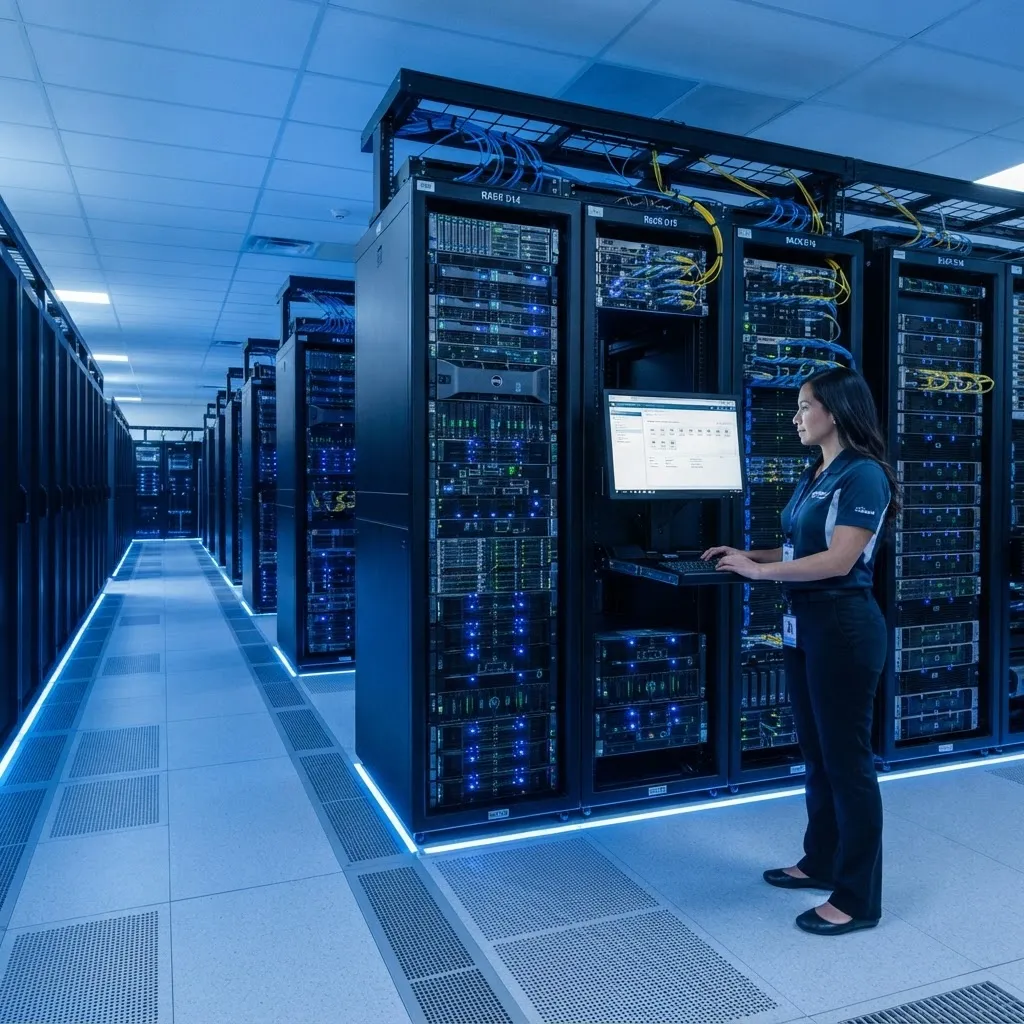
VMware Virtualization
Reduce hardware costs by 40–70% with VMware virtualization and server consolidation tailored to your business.

IT & Cloud Infrastructure Migrations
End-to-end IT and cloud infrastructure migration services — from assessment and planning to zero-downtime execution and post-migration optimisation.

Windows Server Management
Professional Windows Server administration, monitoring, and patch management to keep your infrastructure reliable and secure.
Tech Insights
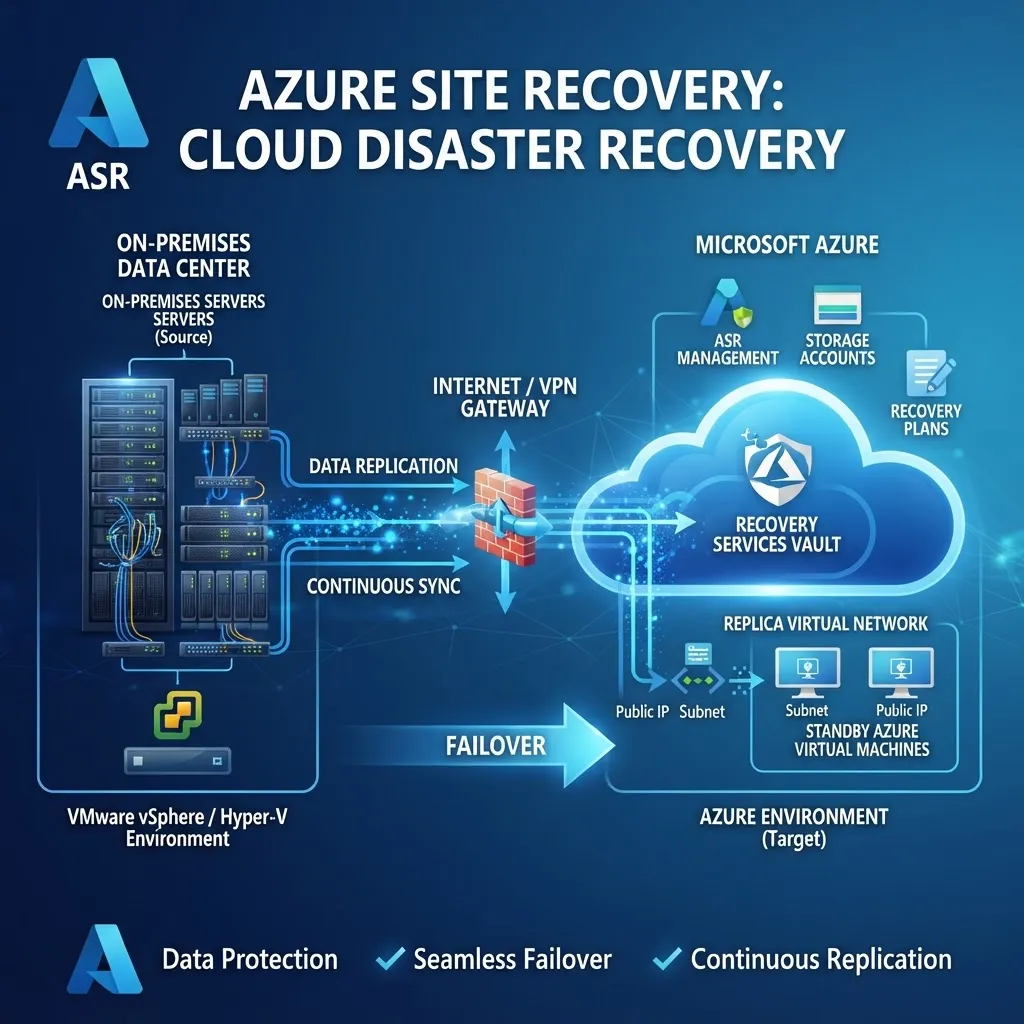
Azure Site Recovery: Zero-Downtime Disaster Recovery for UK Businesses
How Azure Site Recovery delivers automated, tested disaster recovery with recovery times under 2 hours — and why every UK business with on-premises servers should implement it before disaster strikes.

IT Budget Planning: A Complete Guide for UK SMEs in 2026
How to plan, forecast, and optimise your IT budget for 2026 — with real cost benchmarks for managed support, cloud infrastructure, cybersecurity, and Microsoft 365 licensing for UK small businesses.
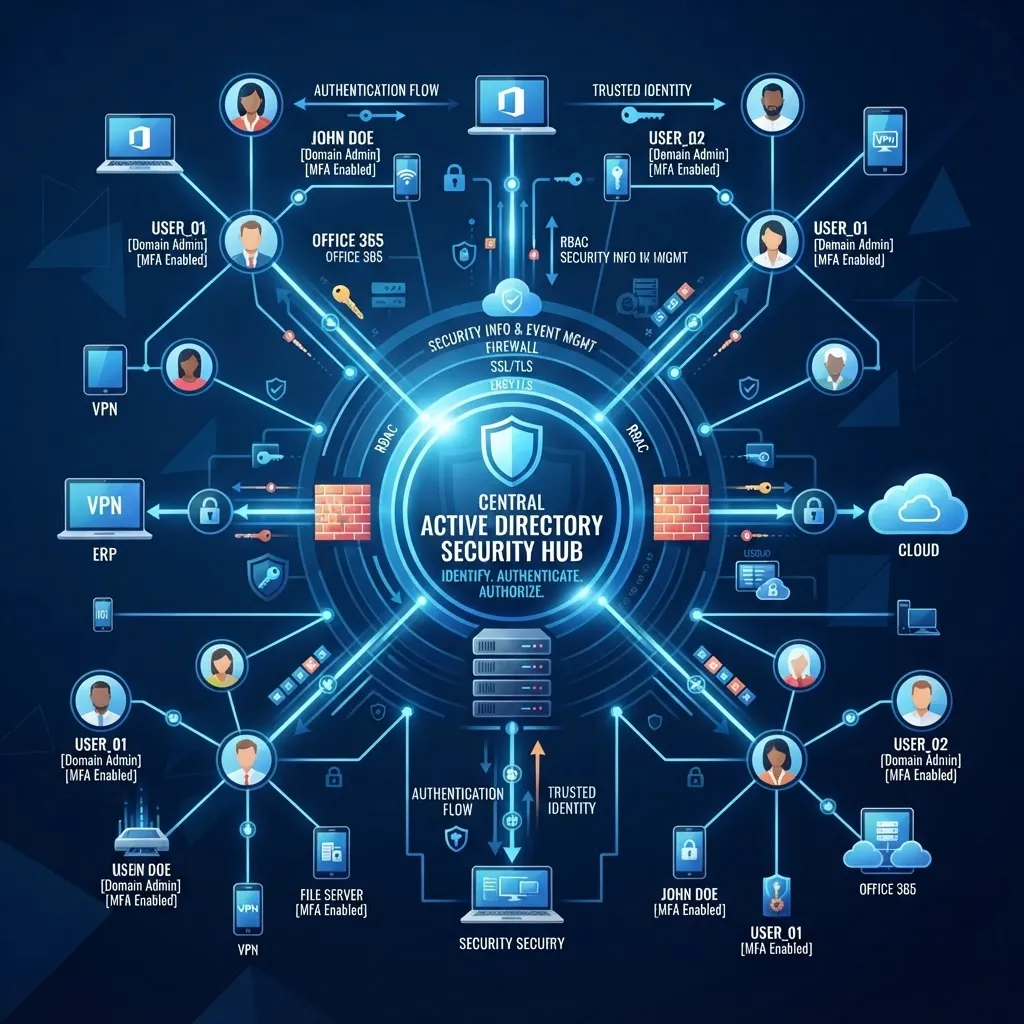
Active Directory Security: A Hardening Guide for UK IT Admins
Active Directory is the keys to your kingdom — and the #1 target for attackers. Here are the 12 security controls every UK business should implement to protect their identity infrastructure.
Related case studies

Sources & further reading
Independent guidance from UK regulators, standards bodies and technology vendors that underpins the advice on this page.
- VMwareCloud infrastructure and vSphereVirtualisation platform documentation referenced in our infrastructure work.(opens in a new tab)
- CitrixDigital workspace and app deliverySecure remote access and application delivery platform documentation.(opens in a new tab)
- Microsoft LearnAzure Virtual Desktop documentationDelivering secure, managed Windows desktops and apps from the cloud.(opens in a new tab)
- National Cyber Security Centre10 Steps to Cyber SecurityThe UK's baseline framework for protecting business systems, people and data.(opens in a new tab)
Book your free consultation
in 30 seconds.
No obligation. No spam. Just a certified engineer with a clear, proactive roadmap.